




0%


TOHO's history is made of moments like these: the times it overcame hardship and stepped into a new era. Each one has a story behind it.
SCROLL DOWN


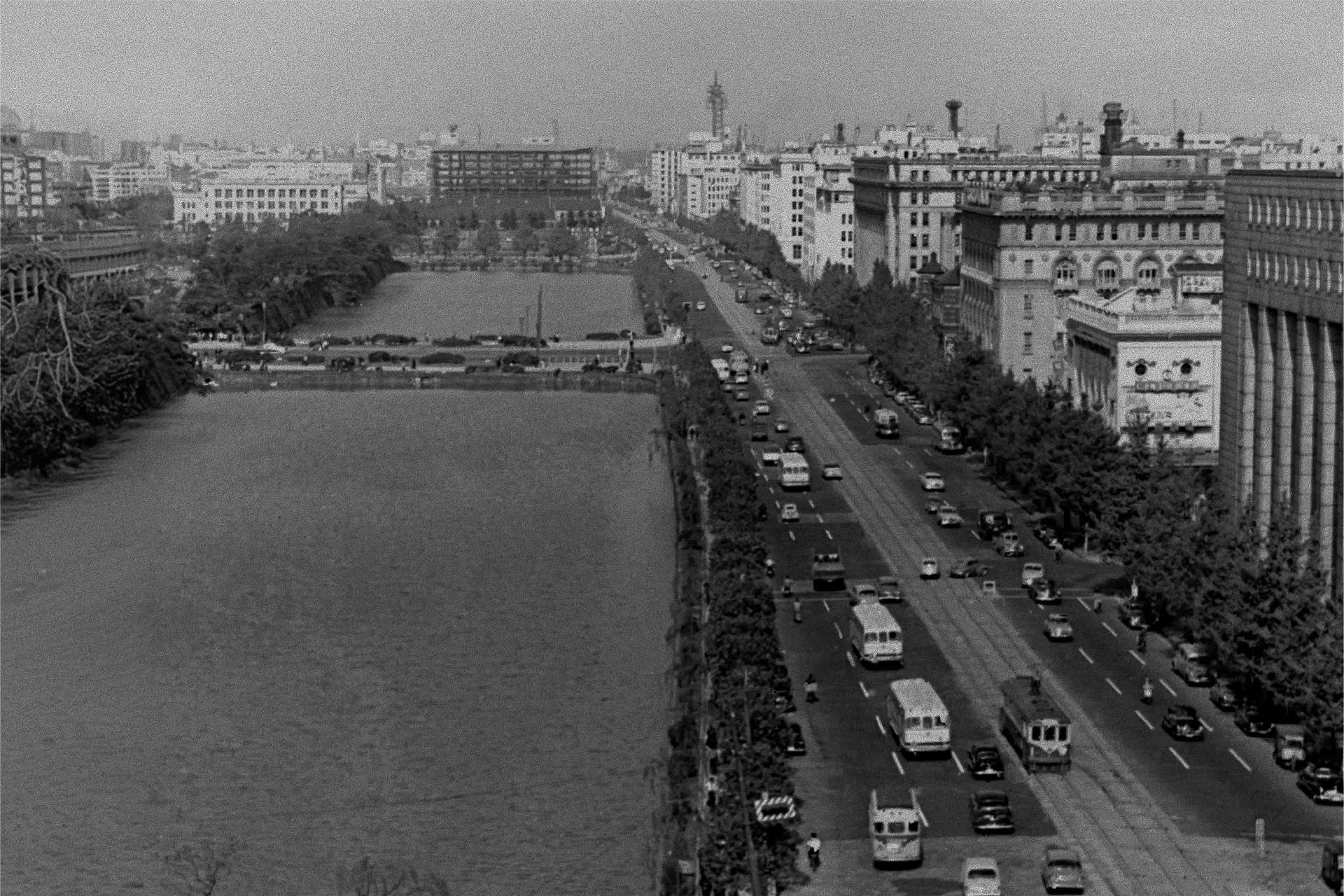
It started in Hibiya, with the dream that great entertainment should belong to everyone.
In 1932, in Hibiya, Tokyo, TOHO’s story began with the founding of TOHO Takarazuka Theater Co., Ltd. Two years later, in 1934, the Tokyo Takarazuka Theater opened its doors, bringing to life Ichizo Kobayashi’s vision to make inspiring entertainment accessible to everyone.
At the time, theater and revue performances were largely reserved for the wealthy and privileged. Determined to change that, Kobayashi established a modern business built on the principle of “Act with vivacity, modesty, fairness, and grace,” offering first-class entertainment at prices within reach of ordinary people.
It was a bold undertaking that sought to bring light and inspiration into everyday life. From that “flame of culture,” Hibiya grew into one of Japan’s leading entertainment districts, centered on theater and film.
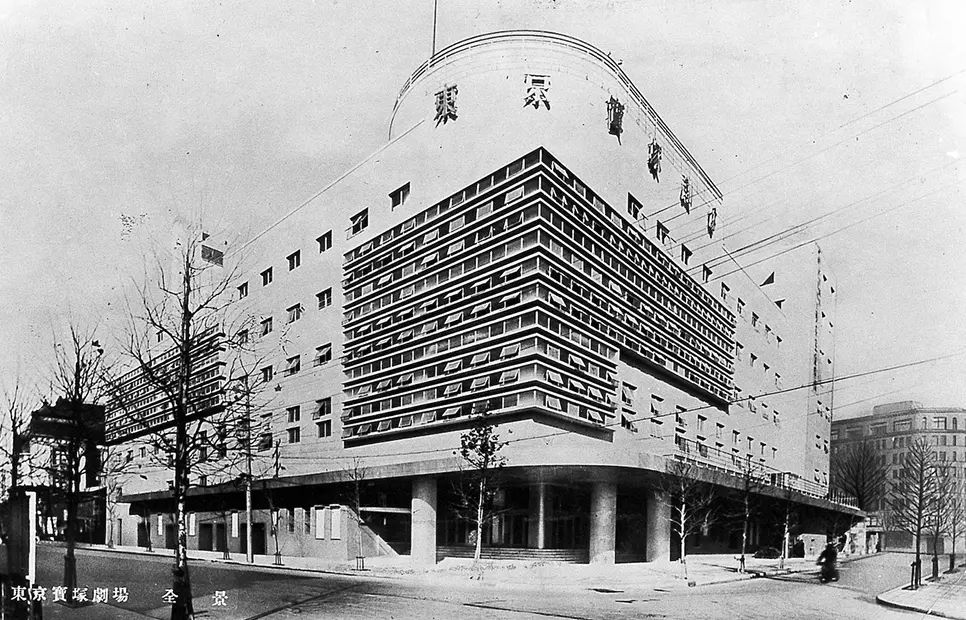 Established as TOHO’s predecessor, the company began with Takarazuka Revue performances, as well as theater and film exhibition.
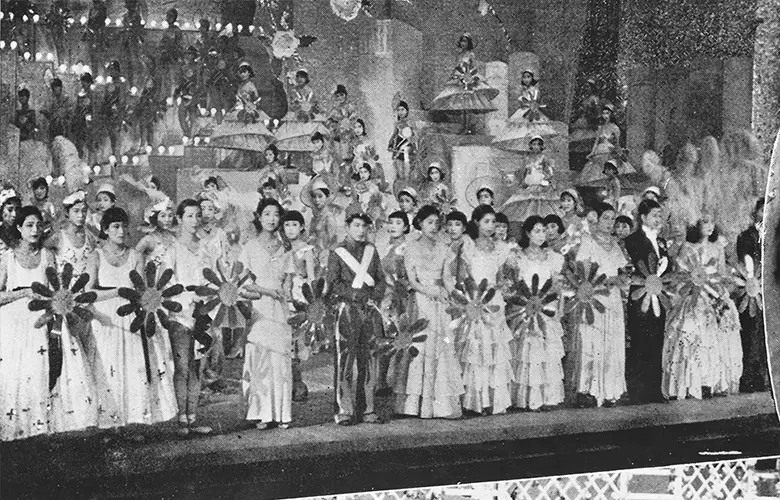 Opening with productions including the revue Flower Poems, the theater marked the birth of a new entertainment landmark in Hibiya.
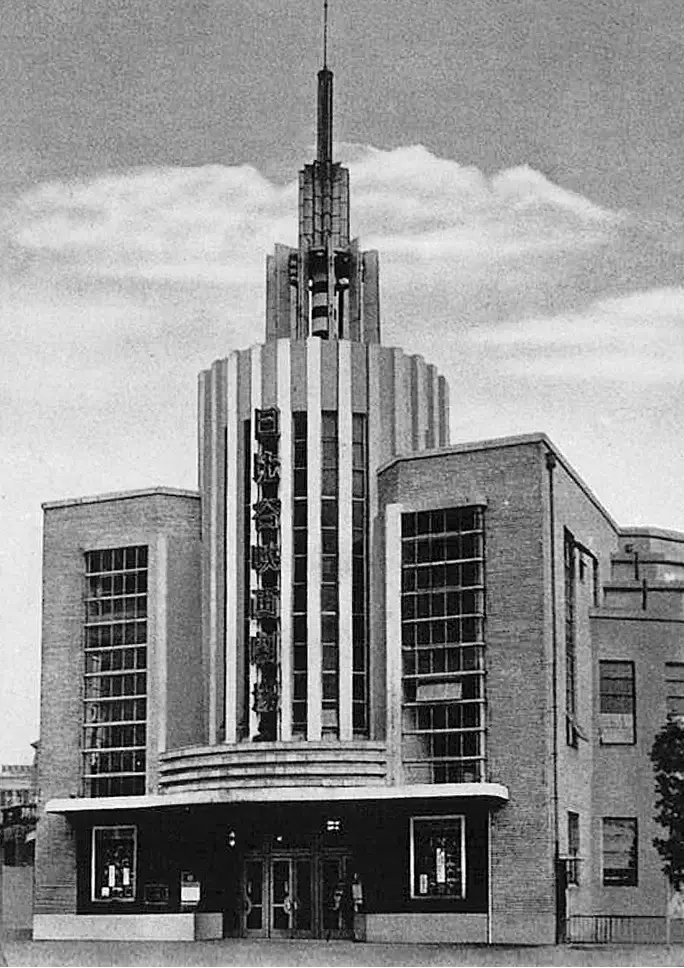 Opened as a full-scale venue for Western films, laying the foundation for Hibiya as a “movie district.”
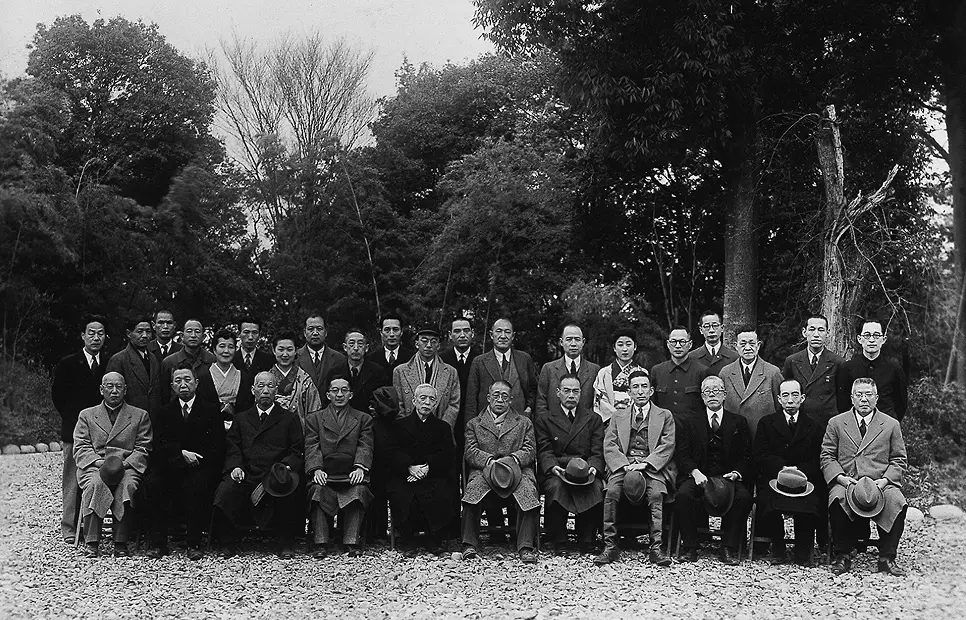 TOHO Film Co., Ltd. was merged into the company, creating an integrated business spanning film production, distribution and exhibition, as well as theatrical presentations.

At the time, theater and revue performances were largely reserved for the wealthy and privileged. Determined to change that, Kobayashi established a modern business built on the principle of “Act with vivacity, modesty, fairness, and grace,” offering first-class entertainment at prices within reach of ordinary people.
It was a bold undertaking that sought to bring light and inspiration into everyday life. From that “flame of culture,” Hibiya grew into one of Japan’s leading entertainment districts, centered on theater and film.
1932
Tokyo Takarazuka Theater Co., Ltd. established
1934
Tokyo Takarazuka Theater opens
(Closed in 1997 for rebuilding)
(Closed in 1997 for rebuilding)
1934
Hibiya Movie Theater opens
(Closed in 1984 for rebuilding)
(Closed in 1984 for rebuilding)
1943
TOHO CO., LTD. established
TOHO Trivia
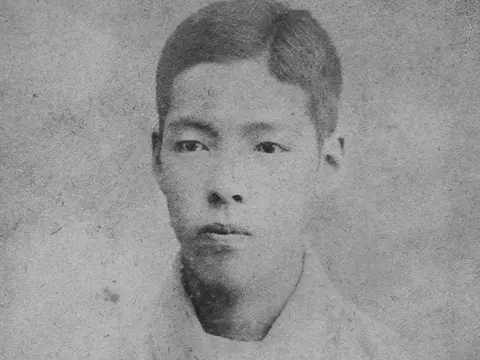
Did TOHO founder Ichizo Kobayashi once dream of becoming a novelist?


SCROLL DOWN
From the wreckage of war, a legendary monster rose.
Even during wartime, TOHO continued its production and exhibition activities. After the war ended in 1945, Japan faced immense loss. TOHO set out to create stories audiences had never seen before, offering a sense of hope in difficult times.
Yet the turmoil of the postwar years brought major challenges. The company was shaken by the TOHO Labor Disputes, one of the largest labor conflicts of the era. After difficult separations from directors and leading actors, TOHO rebuilt itself and entered a new chapter.
What emerged from that period were two landmarks of cinema: Godzilla, the 1954 special-effects masterpiece, and SEVEN SAMURAI, which captivated audiences around the world.
In 1963, TOHO achieved another major success with My Fair Lady, Japan’s first Broadway musical. Through these challenges and achievements, TOHO’s identity began to take shape.
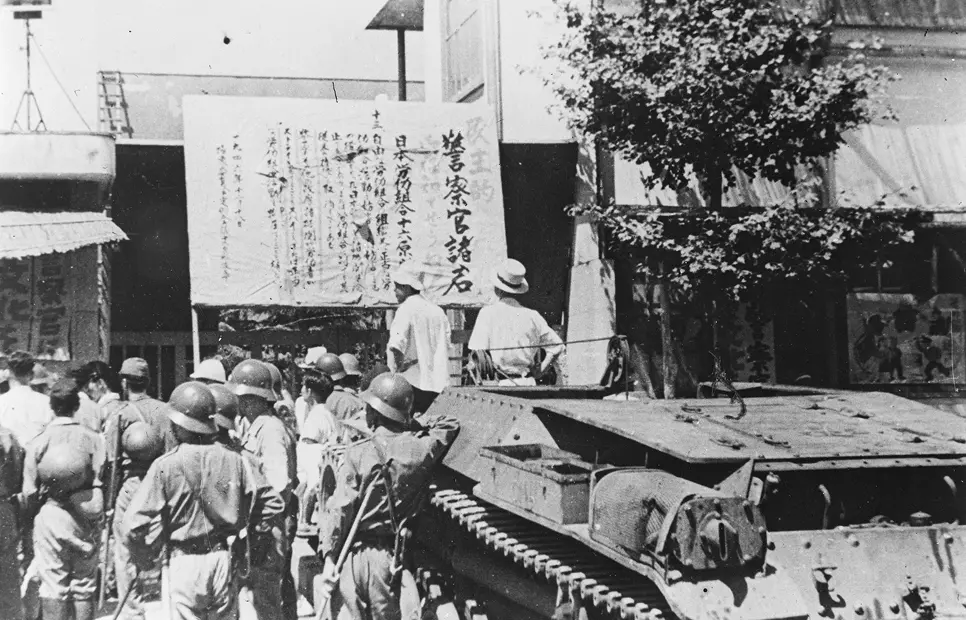 One of the largest labor disputes in postwar Japan continued for years. Through this difficult period, TOHO began modernizing its management structure.
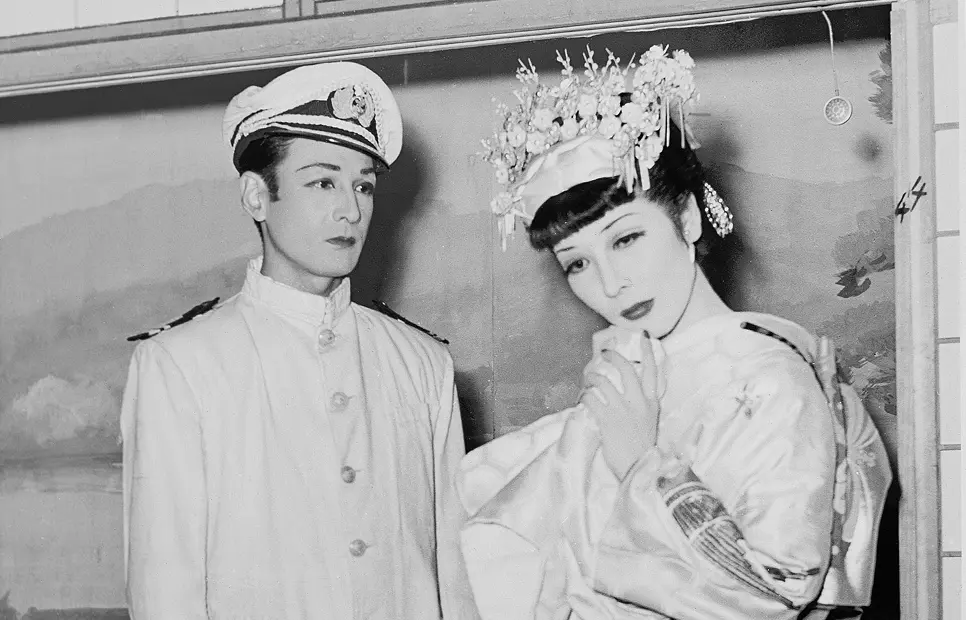 Billed as the “Imperial Theatre Comic Opera,” the production became a forerunner of the Imperial Theatre musicals that would follow.
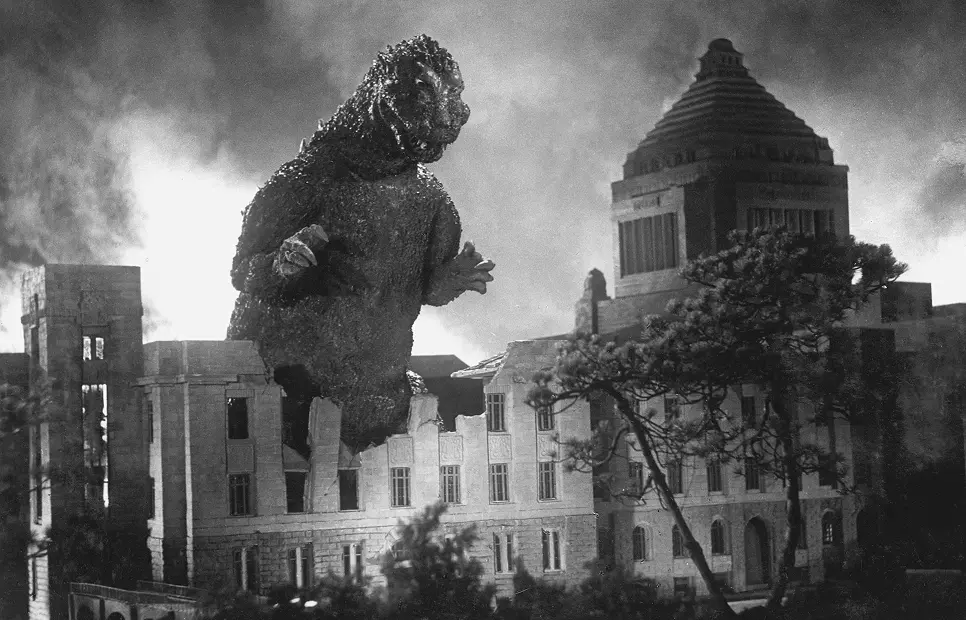 © TOHO
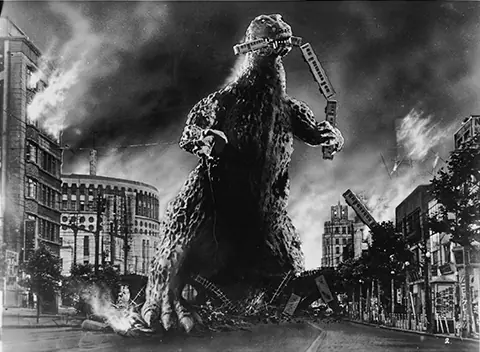
A landmark in special-effects monster cinema, Godzilla went on to become a global icon.
© TOHO
A landmark in special-effects monster cinema, Godzilla went on to become a global icon.
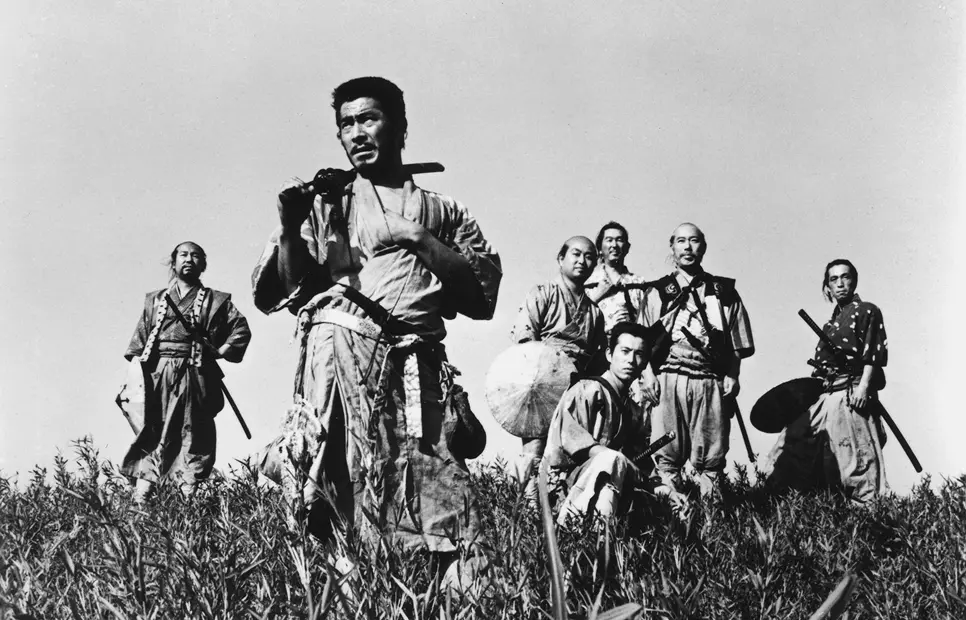 © TOHO CO., LTD.
Akira Kurosawa’s masterpiece won the Silver Lion at the Venice International Film Festival, cementing TOHO’s standing on the international stage.
© TOHO CO., LTD.
Akira Kurosawa’s masterpiece won the Silver Lion at the Venice International Film Festival, cementing TOHO’s standing on the international stage.
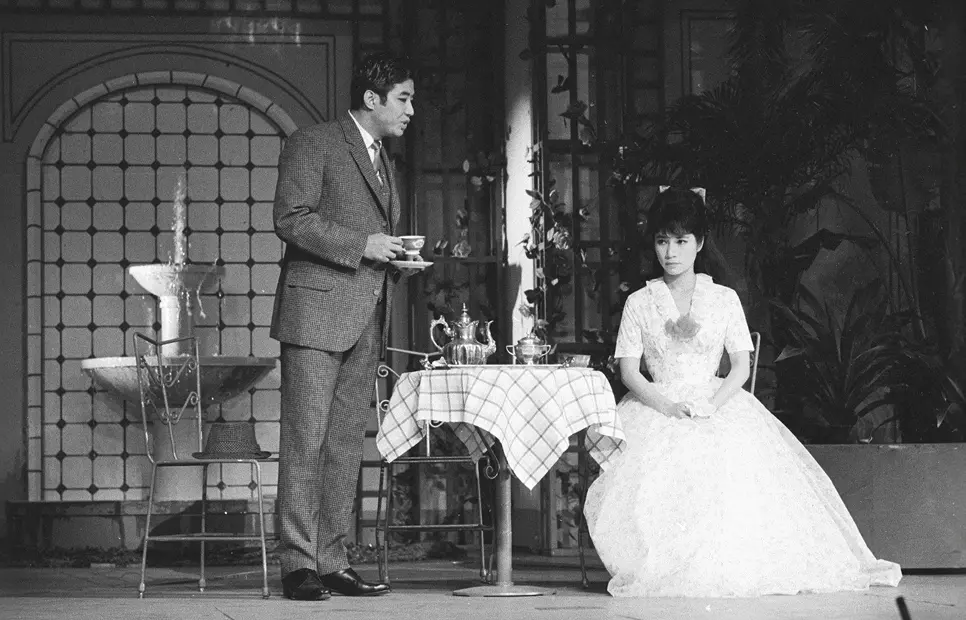 Japan’s first Broadway musical production, My Fair Lady opened a new path for TOHO’s theatrical business.
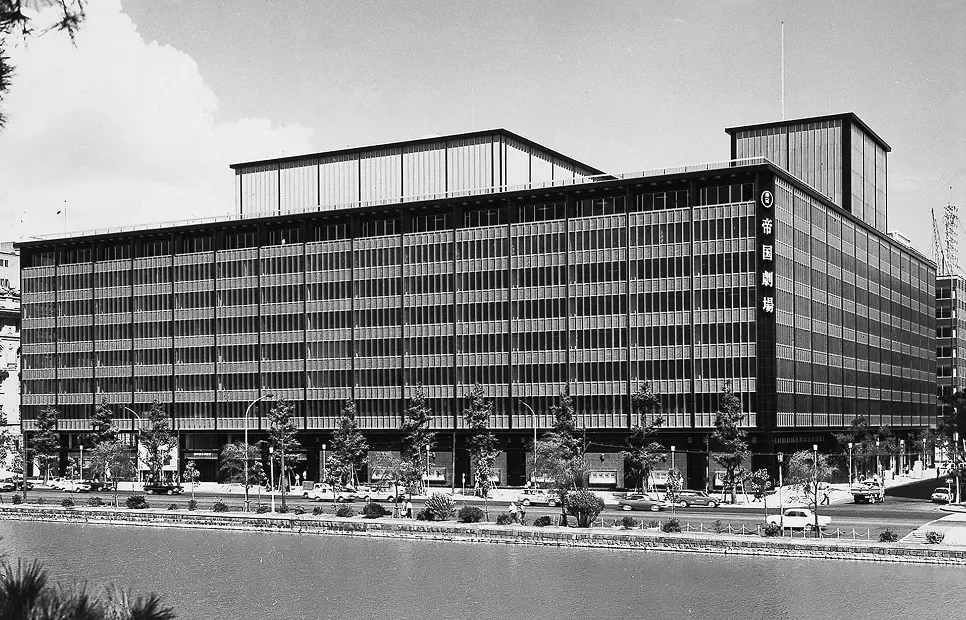 Based on the vision of playwright and director Kazuo Kikuta, the theater opened with a grand stage and became a defining landmark of Japanese theater.

Yet the turmoil of the postwar years brought major challenges. The company was shaken by the TOHO Labor Disputes, one of the largest labor conflicts of the era. After difficult separations from directors and leading actors, TOHO rebuilt itself and entered a new chapter.
What emerged from that period were two landmarks of cinema: Godzilla, the 1954 special-effects masterpiece, and SEVEN SAMURAI, which captivated audiences around the world.
In 1963, TOHO achieved another major success with My Fair Lady, Japan’s first Broadway musical. Through these challenges and achievements, TOHO’s identity began to take shape.
1946
The TOHO Labor Disputes begin
1951
Musical revue Morgan O-Yuki premieres
1954
Film Godzilla released
1954
Film SEVEN SAMURAI released
1963
Musical My Fair Lady premieres in Japan
1966
Second Imperial Theatre opens
(Closed in 2025 for rebuilding)
(Closed in 2025 for rebuilding)
TOHO Trivia
Was the TOHO logo inspired by a traditional Japanese sweet?



SCROLL DOWN
To protect the films it loved, TOHO stepped away from making them, trusting the future would prove it right.
In the 1970s, the rise of television brought sweeping change to the film industry, and the future of cinema was no longer certain. TOHO responded with a difficult decision: to move beyond its past successes and reshape its business. The company separated its on-site production unit and expanded into large-scale real estate development.
At first glance, these reforms may have seemed like a step away from film. In fact, they were a long-term strategy to build a stronger foundation for protecting cinema as a culture. By developing urban spaces and maintaining its theaters, TOHO created a resilient business base for the years ahead.
That strategy soon led to new successes, including the blockbuster Submersion of Japan, a large-scale social drama. Its momentum also carried over to the stage, leading eventually to the success of the musical Les Misérables. The determination and large-scale production model established during this era became a foundation for TOHO today.
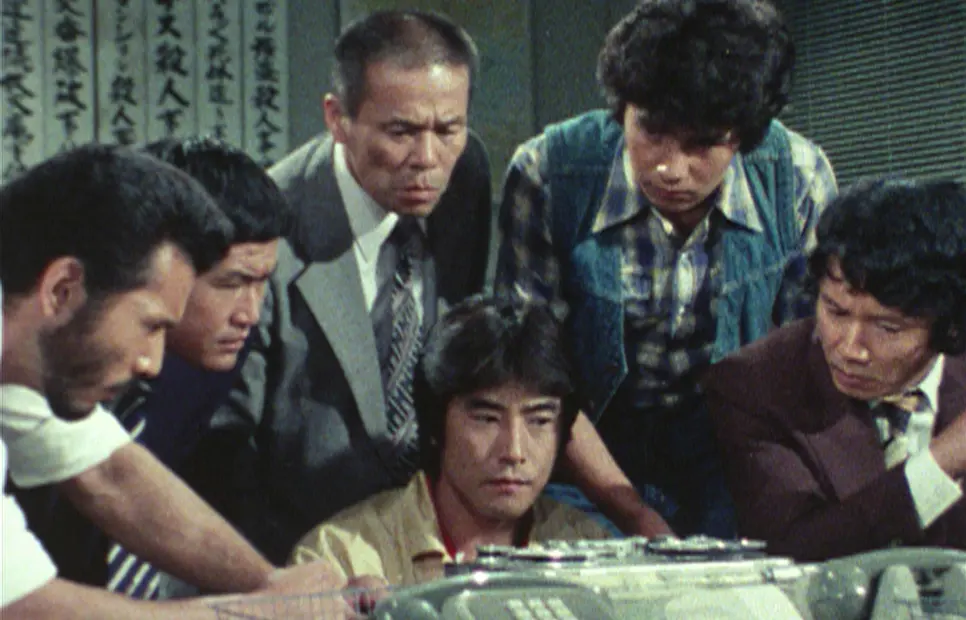 © TOHO CO., LTD.
TOHO optimized its production structure in response to the growth of television, creating hit series such as Taiyō ni Hoero!.
© TOHO CO., LTD.
TOHO optimized its production structure in response to the growth of television, creating hit series such as Taiyō ni Hoero!.
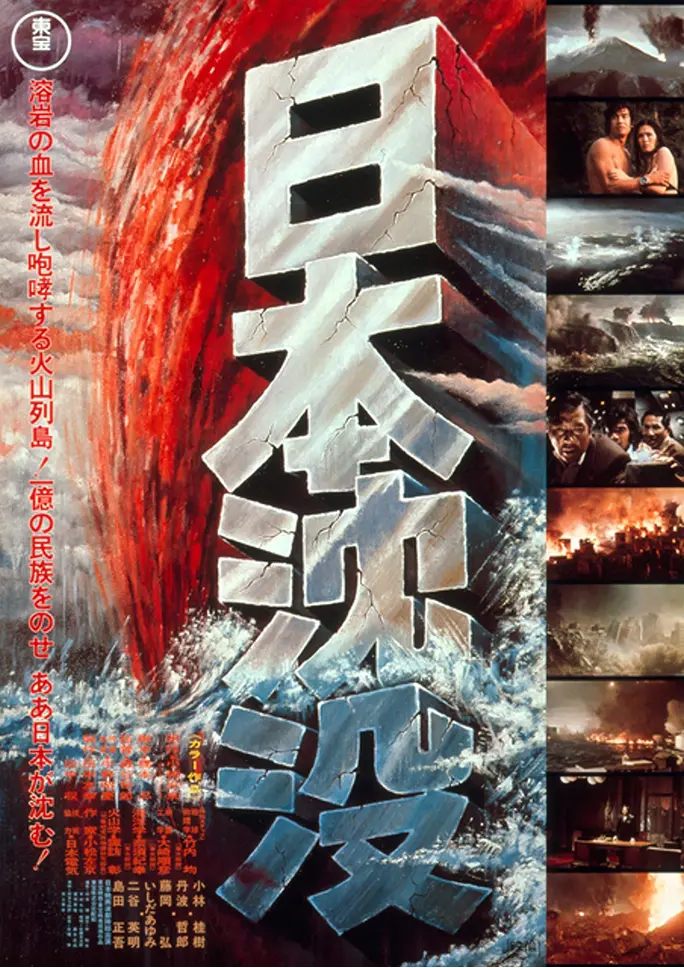 © TOHO CO., LTD.
A record-breaking blockbuster, Japan Sinks pioneered TOHO’s era of large-scale epic productions, paving the way for films such as Mount Hakkoda (1977).
© TOHO CO., LTD.
A record-breaking blockbuster, Japan Sinks pioneered TOHO’s era of large-scale epic productions, paving the way for films such as Mount Hakkoda (1977).
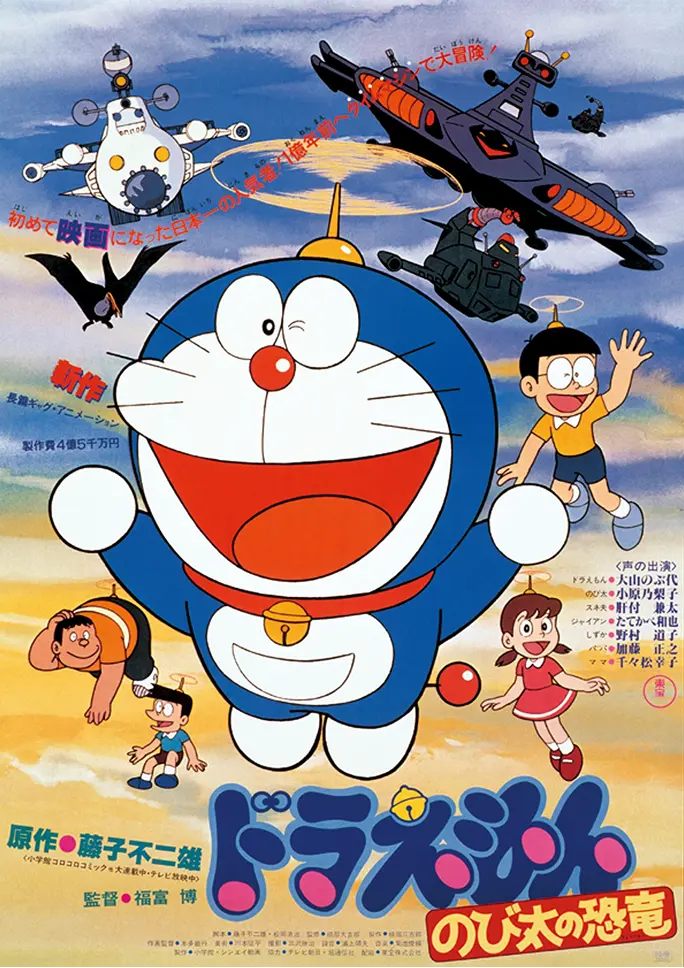 © Fujiko-Pro, Shogakukan, TV Asahi, Shin-Ei, and ADK1980
The beloved national anime series began, establishing a box-office foundation that would resonate across generations.
© Fujiko-Pro, Shogakukan, TV Asahi, Shin-Ei, and ADK1980
The beloved national anime series began, establishing a box-office foundation that would resonate across generations.
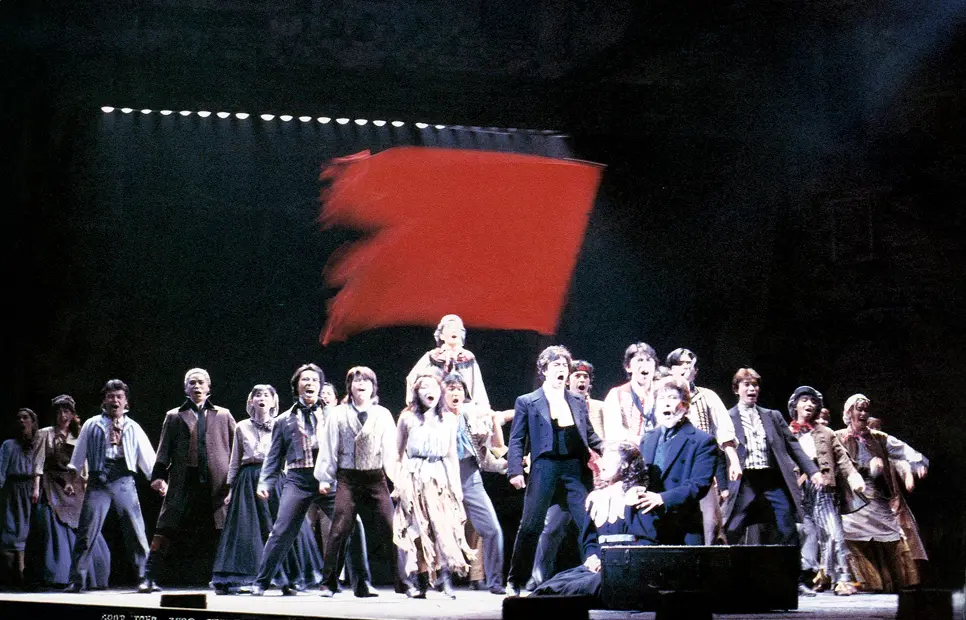 Following London and New York, Japan became the third place in the world to stage Les Misérables, marking a landmark achievement in the history of Japanese musical theater.

At first glance, these reforms may have seemed like a step away from film. In fact, they were a long-term strategy to build a stronger foundation for protecting cinema as a culture. By developing urban spaces and maintaining its theaters, TOHO created a resilient business base for the years ahead.
That strategy soon led to new successes, including the blockbuster Submersion of Japan, a large-scale social drama. Its momentum also carried over to the stage, leading eventually to the success of the musical Les Misérables. The determination and large-scale production model established during this era became a foundation for TOHO today.
1972
Film production division separated; television business launched
1973
Film Submersion of Japan released
1980
Film Doraemon series begins
1987
Musical Les Misérables premieres in Japan
TOHO Trivia
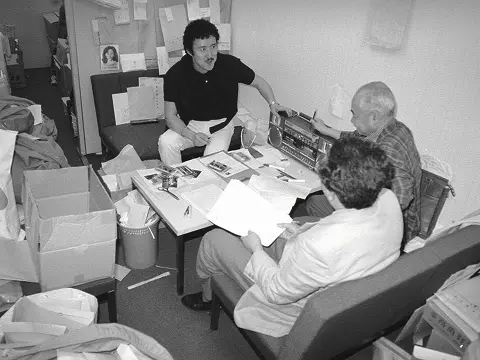
Did an audition of more than 11,000 hopefuls create the system behind TOHO's long-running musicals?


SCROLL DOWN
What inspired audiences on the screen flowed into society, and films became phenomena.
In the early 2000s, Japan’s long-standing film distribution system began to break down. As multiplex cinemas transformed the industry, TOHO made a decisive move to secure its future.
In 2003, the company acquired Virgin Cinemas Japan Ltd., launching a fundamental reform of one of TOHO’s greatest strengths: its exhibition network.
At the same time, TOHO delivered a series of era-defining mega-hits, including works from Studio Ghibli and Bayside Shakedown 2. Film evolved beyond theatrical release into intellectual property capable of becoming a social phenomenon.
By bringing each story to audiences in its most powerful form, TOHO moved beyond the role of a film distributor and began to reveal its true strength as a comprehensive entertainment company.
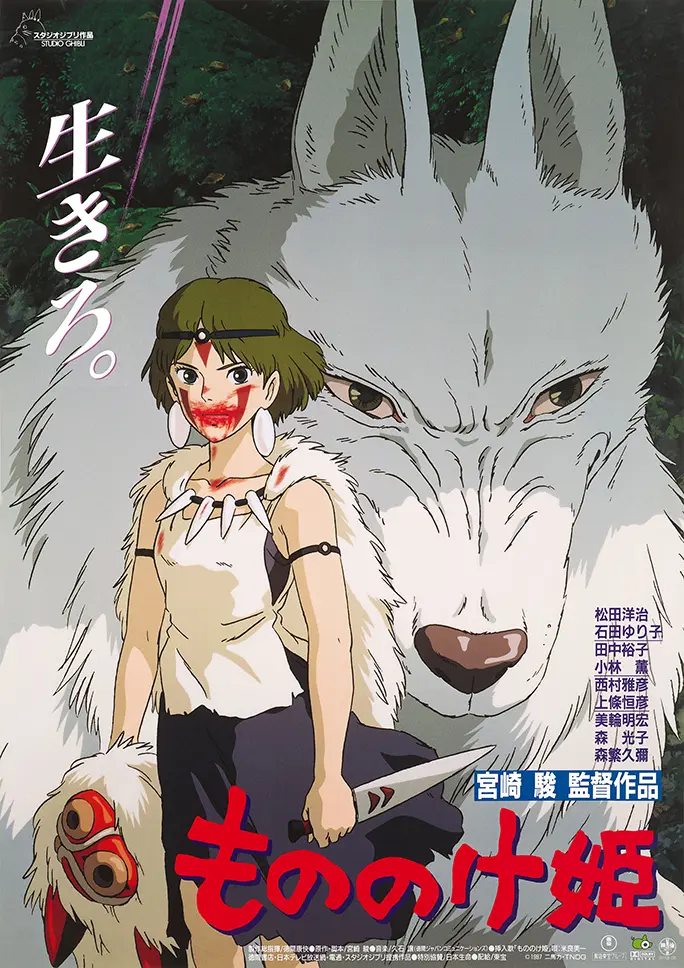 © 1997 Hayao Miyazaki/Studio Ghibli, ND
Directed by Hayao Miyazaki, the film became a social phenomenon and broke Japanese box-office records.
© 1997 Hayao Miyazaki/Studio Ghibli, ND
Directed by Hayao Miyazaki, the film became a social phenomenon and broke Japanese box-office records.
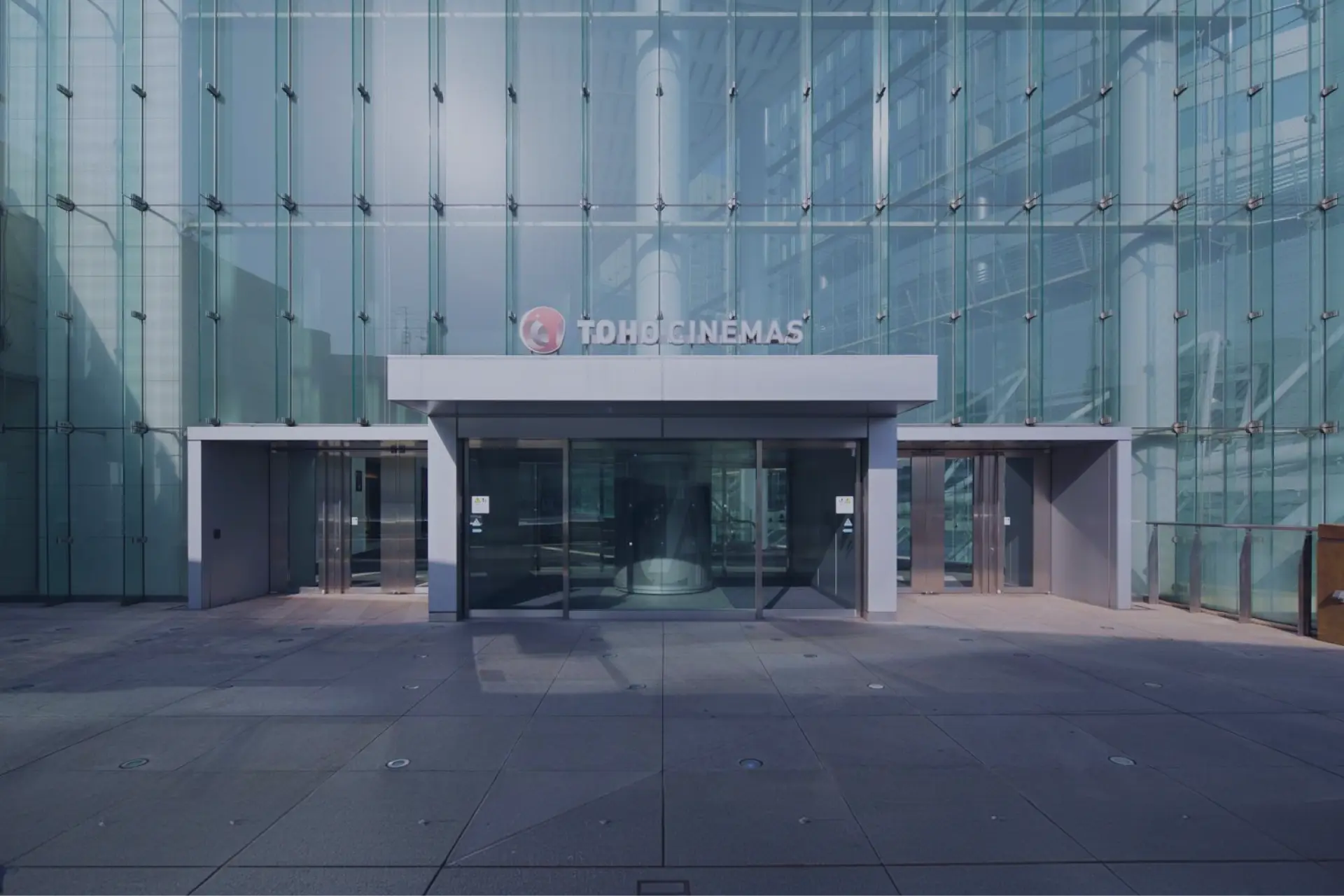
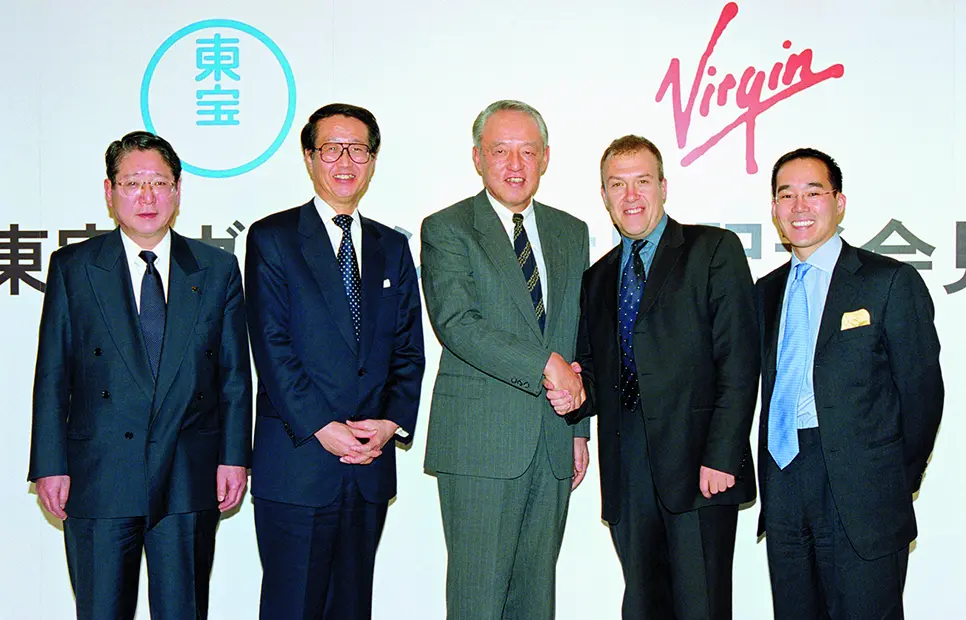 TOHO acquired Virgin Cinemas Japan Ltd. and rebuilt its exhibition network under the TOHO Cinemas brand.
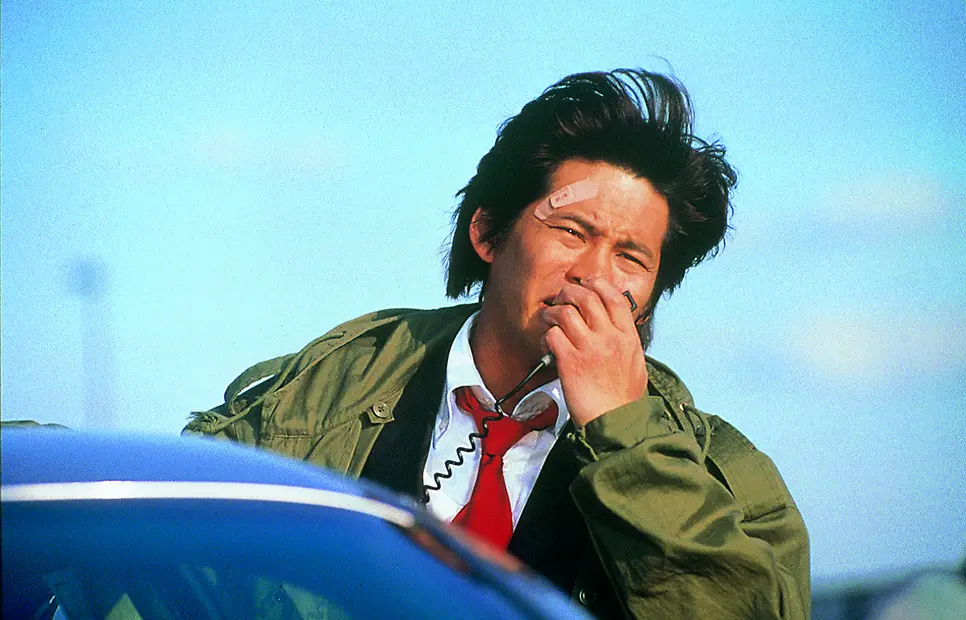 © 2003 Fuji Television Network, Inc., INP
A blockbuster that set a new box-office record for Japanese live-action films and helped establish a new film production model through collaboration with television broadcasters.
© 2003 Fuji Television Network, Inc., INP
A blockbuster that set a new box-office record for Japanese live-action films and helped establish a new film production model through collaboration with television broadcasters.
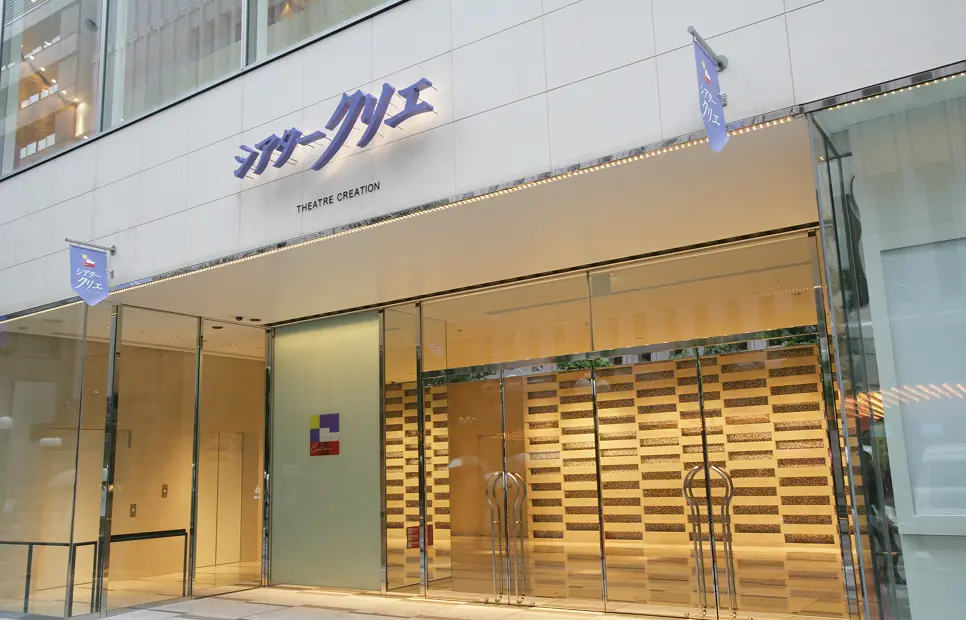 Theatre Creation became established as an innovative mid-sized theater, bringing a diverse range of productions to the stage.

In 2003, the company acquired Virgin Cinemas Japan Ltd., launching a fundamental reform of one of TOHO’s greatest strengths: its exhibition network.
At the same time, TOHO delivered a series of era-defining mega-hits, including works from Studio Ghibli and Bayside Shakedown 2. Film evolved beyond theatrical release into intellectual property capable of becoming a social phenomenon.
By bringing each story to audiences in its most powerful form, TOHO moved beyond the role of a film distributor and began to reveal its true strength as a comprehensive entertainment company.
1997
Film Princess Mononoke released
2003
Virgin Cinemas Japan Ltd. acquired
2003
Film Bayside Shakedown 2 released
2007
Theatre Creation opens
TOHO Trivia
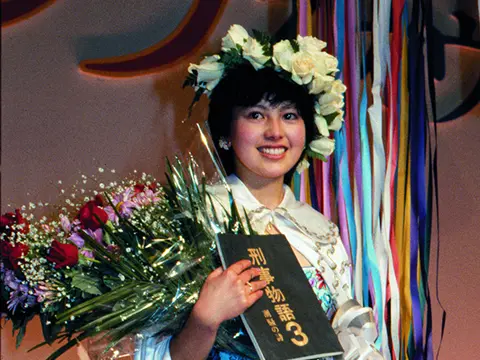
Did some of Japan's biggest stars get their start as TOHO Cinderellas?


SCROLL DOWN
A dream that began in Hibiya now reaches the world. The story continues.
Today, TOHO is once again in the midst of a major transformation. The unprecedented pandemic challenged the very foundations of the entertainment industry, prompting us to reflect on our purpose and the role we play in society.
The answer we found was continued evolution.
Our stage has expanded from Japan to the world. Film, Godzilla, theater, and anime have reached audiences far beyond Japan, connecting with fans across the globe. With a greater focus on building direct relationships with audiences worldwide, TOHO has advanced its global strategy and expanded its international presence.
The vision that Ichizo Kobayashi once pursued in Hibiya, to make entertainment accessible to everyone, has grown beyond national borders. Today, that vision continues to evolve as TOHO explores new opportunities and brings its stories to audiences around the world.
 TOHO entered the animation business in earnest, establishing an integrated framework spanning planning and production, licensing, and overseas expansion.
 © “Haikyu!!” Production Committee © Haruichi Furudate/Shueisha
An early hit series that helped build a strong revenue base for TOHO’s animation business.
© “Haikyu!!” Production Committee © Haruichi Furudate/Shueisha
An early hit series that helped build a strong revenue base for TOHO’s animation business.
 © Kohei Horikoshi/Shueisha, My Hero Academia Project
The series became a major hit in Japan and overseas, helping establish TOHO animation’s presence in the global market.
© Kohei Horikoshi/Shueisha, My Hero Academia Project
The series became a major hit in Japan and overseas, helping establish TOHO animation’s presence in the global market.
 © TOHO
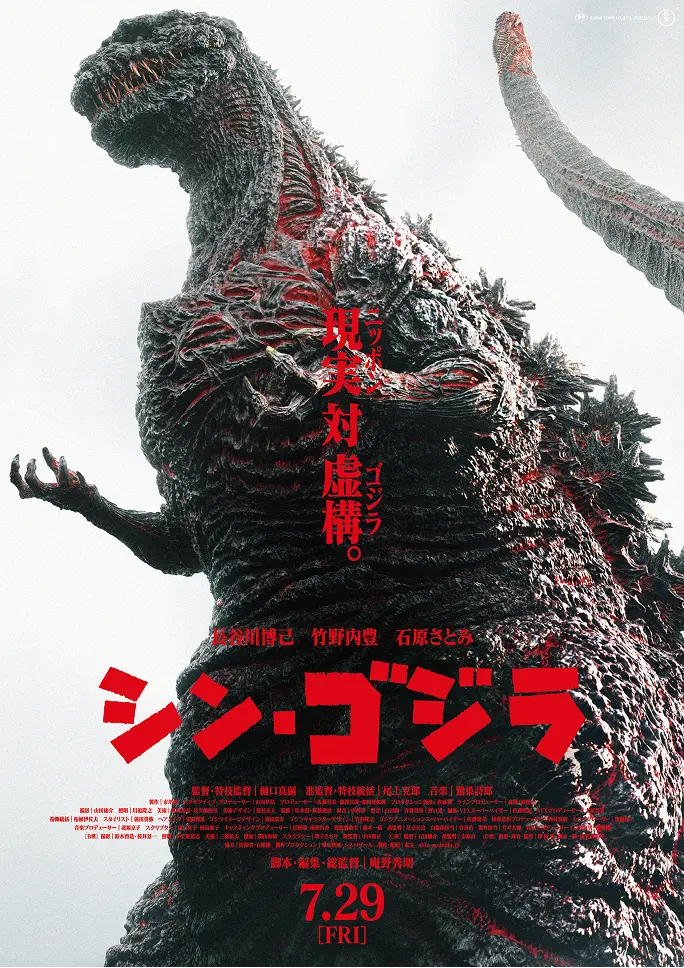
A new Godzilla film directed by Hideaki Anno, Shin Godzilla redefined the brand’s value and opened the way to a new generation of fans.
© TOHO
A new Godzilla film directed by Hideaki Anno, Shin Godzilla redefined the brand’s value and opened the way to a new generation of fans.
 © TOHO
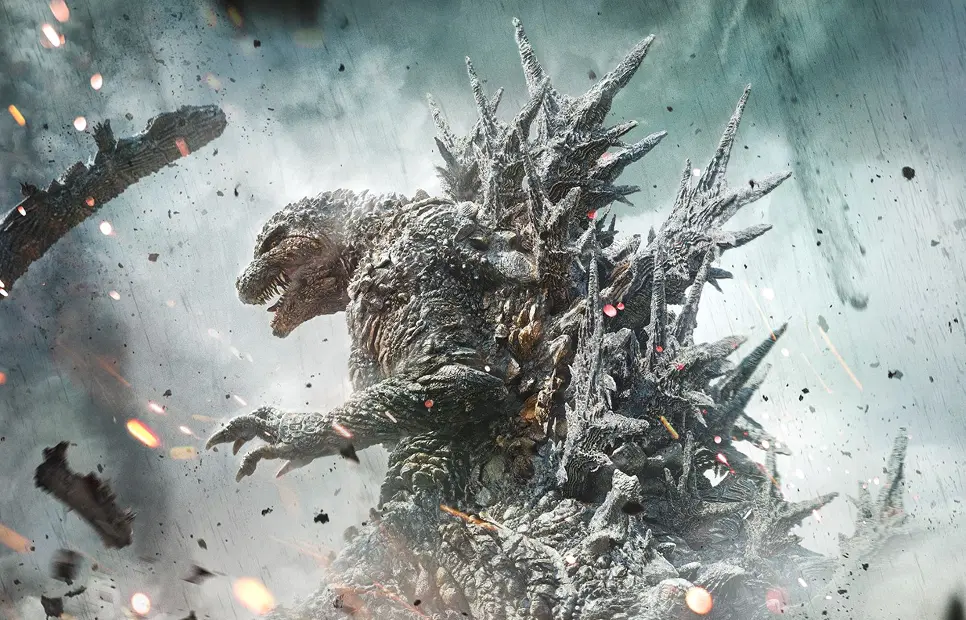
Directed by Takashi Yamazaki, this 70th-anniversary Godzilla film achieved exceptional success in North America and earned widespread international acclaim.
© TOHO
Directed by Takashi Yamazaki, this 70th-anniversary Godzilla film achieved exceptional success in North America and earned widespread international acclaim.
 © TOHO
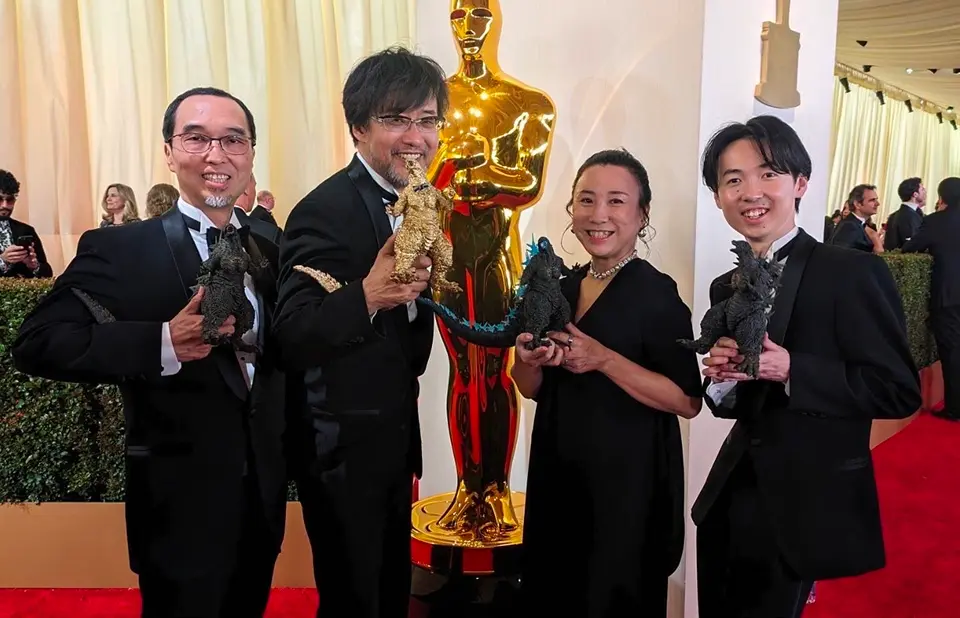
The film won Best Visual Effects at the 96th Academy Awards® (2024), marking a new chapter in the history of Japanese cinema.
© TOHO
The film won Best Visual Effects at the 96th Academy Awards® (2024), marking a new chapter in the history of Japanese cinema.
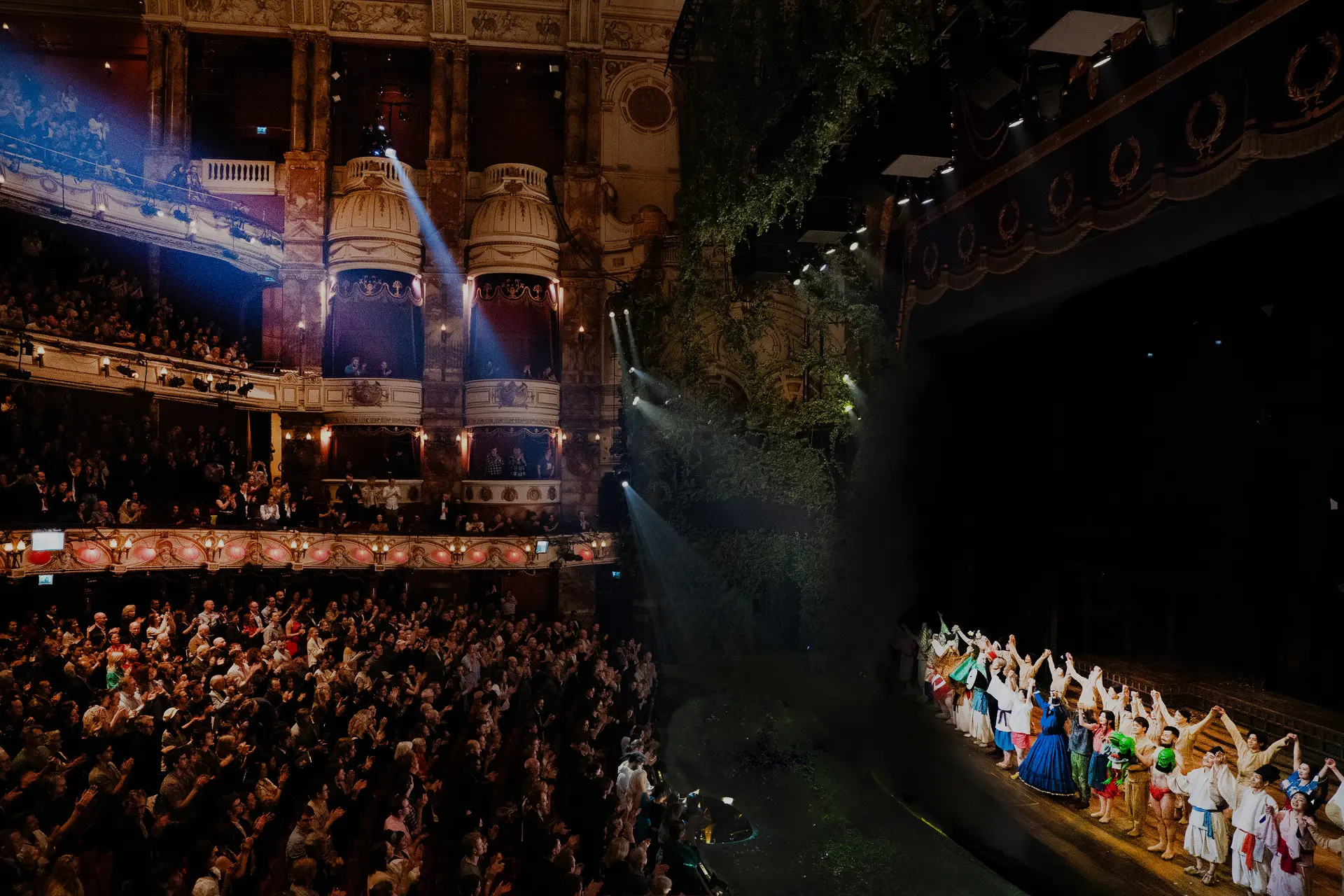
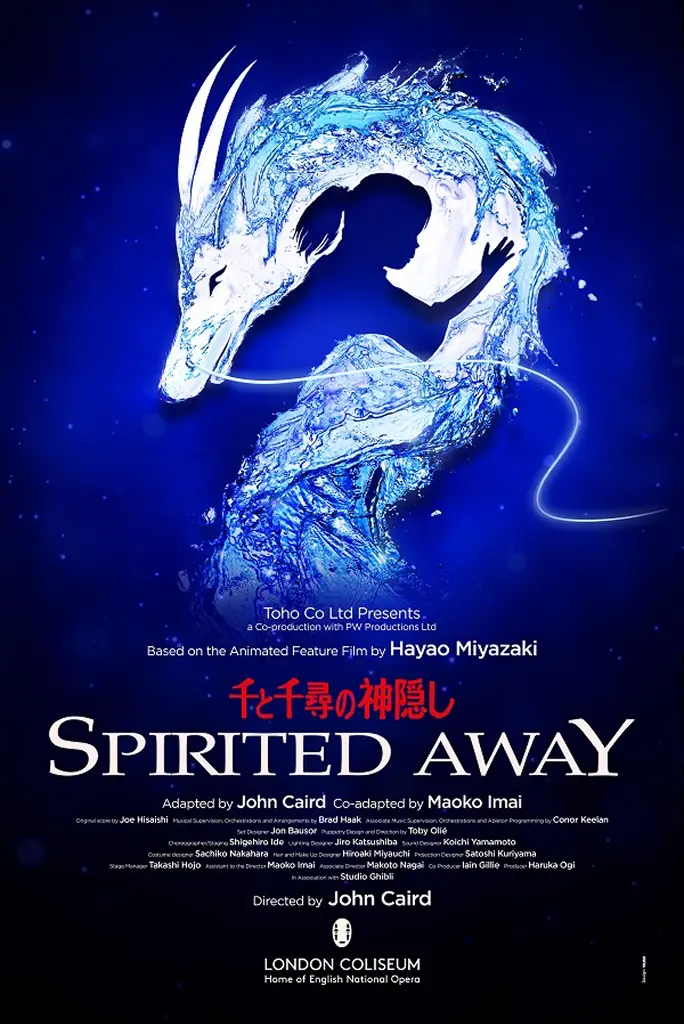 Performed in London and other international cities, this Japanese stage production reached audiences around the world.
The answer we found was continued evolution.
Our stage has expanded from Japan to the world. Film, Godzilla, theater, and anime have reached audiences far beyond Japan, connecting with fans across the globe. With a greater focus on building direct relationships with audiences worldwide, TOHO has advanced its global strategy and expanded its international presence.
The vision that Ichizo Kobayashi once pursued in Hibiya, to make entertainment accessible to everyone, has grown beyond national borders. Today, that vision continues to evolve as TOHO explores new opportunities and brings its stories to audiences around the world.
2013
TOHO animation launched
2014
TV anime Haikyu!! season 1 begins airing
2016
TV anime My Hero Academia season 1 begins airing
2016
Film Shin Godzilla released
2023
Film GODZILLA MINUS ONE released
2024
Spirited Away performed on stage in London
TOHO Trivia
Does Godzilla hold a Guinness World Record?